About

Wednesday, April 20, 2016

Juices That Help Improve Women’s Health


Did you know that raw fruit and vegetable juices are an excellent source of energy and provide multiple benefits that can help achieve the hormonal balance every woman seeks?

Nutritionist and KitchenAid ambassador Maria Calle explains the benefits of juicing and extraction techniques with easy tricks to help you make a quick and complete meal.

Have you ever asked someone you know who has healthy-looking skin, bright eyes, and is always full of energy, what they do to stay healthy and maintain their radiant appearance? If you did, it would hardly be a surprise if they answered by telling you about their new fruit and vegetable juice diet. Not only are juices a strong source of essential nutrients, but they are also easy to digest.

Raw fruits and vegetables are the complete package, and the same can be said of the juices produced from them. They are natural - haven't been processed using harsh chemicals or their nutrients diminished from cooking - and are ready to eat the moment they are picked and their juices extracted. Such natural beverages enhance our diet and provide benefits which serve to cure, protect and enrich our bodies and overall well-being.


You can find juice recipes that help decrease stress, slim and remove toxins from the body, boost the immune system, correct a nutritional deficit, increase energy, clear up skin and weight fluctuation issues, and in general, keep you looking young and radiant.

Juices can be separated into three categories: only fruits, only vegetables or a mix of both. Each type of juice has distinct properties that contribute to different benefits.

Fruit juices cleanse the digestive system and strengthen the immune system.


EXCESS TOXINS


Vegetable juices have disease-preventing properties and help the body eliminate excess toxins.

Mixed juices help rejuvenate and clean the body and are a great source of nutrients, vitamins and minerals.

In order to get the maximum benefits from these nutrition-packed foods, the fruits and vegetables you consume should be as fresh and organic as possible. To address both of these issues, you might buy your produce from a local organic market that guarantees its products are free of chemicals and pesticides. To make extra sure you're not consuming anything you didn't intend, you can prepare a mixture of vinegar and water to clean your fruits and vegetables before you juice them. Finally, for the juicing itself, it's key to use an appliance that extracts the maximum amount of nutrients from your produce, such as KitchenAid's Fast Juicer.

Different fruits and vegetables provide different nutrients. Juice has a specific function: to raise our body's defences and strengthen our immune system. Not only can juices be charged with vitamin C but they can also contain beta-carotene, which helps keep eyes and hair healthy.


CLEANSE THE BODY
- Oranges are citric fruits with a lot of, Vitamin C, A, B and G. They also have minerals like calcium, phosphorus, magnesium and potassium. These vitamins and minerals help boost the immune system and prevent diseases. Additionally, the fruit's citric characteristics improve digestion and cleanse the body.

- The carrot's three most important nutrients that provide the greatest health benefits are: beta-carotene, vitamin A and alpha-carotene. Beta-carotene is what makes carrots orange and it's the component that develops the vitamin A. Eating carrots helps one maintain good vision and prevents eye disease, and also helps keep hair radiant and healthy.

- Ginger, a root with a spicy flavour, is frequently used for both cooking and for traditional holistic medicine, as its natural anti-inflammatory properties help the body combat arthritis, digestive problems and respiratory diseases.

When combined, all of these ingredients together account for a high amount of vitamins C and A, which help boost the immune system and protect it from common respiratory diseases.


ORANGE, CARROT, GINGER AND CAYENNE PEPPER JUICE


Courtesy of KitchenAid and created by an expert nutritionist to increase energy levels.

Ingredients (4 cups):

- 2 medium peeled carrots

- 6 peeled oranges

- 1 peeled ginger

- Dash of cayenne pepper

Procedure:

- Peel oranges, carrots and ginger.

- Insert carrots, one by one, in KitchenAid's Fast Juicer, then insert oranges split through the middle and the ginger in between oranges.

- To garnish, add a pinch of cayenne pepper

Tip: the remaining pulp from the oranges and carrots can be used for soups, rice dishes and pancakes to provide a supplemental fiber boost.

Source by : http://jamaica-gleaner.com/article/health/20160420/juices-help-improve-womens-health

Here are all the f*cking fantastic ways legal weed is improving women’s health


The legalization of weed is great for many Americans, but it’s particularly great for Americans with vaginas—who, for too many years, have been deprived of pot’s health benefits.

For centuries, women turned to cannabis to treat symptoms of PMS, improve their sex lives, and reduce anxiety. But since the United States criminalized marijuana in the 1930s, fewer and fewer women have enjoyed cannabis’ soothing powers. Thankfully, as more states move to legalize medical and recreational pot use, women today are finally able to explore these benefits.

This month, Pennsylvania became the 24th state to legalize medical marijuana. Four more states and the District of Columbia have already legalized marijuana for recreational use, and states including California, Nevada, Arizona, and Maine are expected to join that list soon.

Against this backdrop, the past year has seen one after another promising development for weed and women’s health. Some have generated celebratory headlines, others have traveled largely under the radar. In honor of 420, I’ve rounded up the most exciting recent developments. Read on, and see how you stand to benefit.

Last week, New Jersey lawmakers introduced legislation that would allow women to obtain medical marijuana prescriptions to treat PMS. If the proposal passes, the move could be a huge step forward for women seeking relief from cramps and other symptoms.


In some states where medical marijuana is legal, premenstrual dysphoric disorder, or PMDD—an extreme and debilitating form of PMS—is already on the list of approved ailments for medical marijuana.

But only 3% to 5% of menstruating women suffer from PMDD, while nearly 80% to 90% of menstruating women suffer from PMS. New Jersey’s legislation could set the stage for other states to follow suit, potentially helping millions of women.

Ready for that prescription? Whoopi Goldberg’s got you covered.
The New Jersey lawmakers who introduced the pot proposal said they were inspired by none other than noted View co-host and EGOT winner Whoopi Goldberg.

In March, Goldberg made headlines when she announced that she was launching a company that would make cannabis products specifically for women on their period. The company, called Maya & Whoopi, will offer four marijuana-infused products: a balm, a tincture, sipping chocolate, and a bath soak—all meant to relieve pain associated with menstruation.

“For me, I feel like if you don’t want to get high high, this is a product specifically just to get rid of discomfort,” Goldberg told Vanity Fair. “Smoking a joint is fine, but most people can’t smoke a joint and go to work.”

“This, you can put it in your purse,” Goldberg continued in her interview. “You can put the rub on your lower stomach and lower back at work, and then when you get home you can get in the tub for a soak or make tea, and it allows you to continue to work throughout the day.”

There’s more! Say hello to the ‘weed tampon.’
The California-based company Foria first generated buzz when it introduced a weed-infused sexual lubricant designed specifically for women back in 2014. But the company decided to one up itself this year when it launched “Foria Relief,” a cannabis-infused vaginal suppository casually dubbed the “weed tampon.”

Practically speaking, Foria Relief isn’t an actual tampon—it just kind of looks like one. Made from organic cocoa butter, THC oil, and the active cannabinoid CBD, the product is meant to aid with cramping. As the suppository dissolves, the THC and CBD are absorbed internally, which helps with muscle relaxation—without giving the user a head high.

According to Foria, “The vaginal suppository format helps deliver the medicine directly to where it is needed most.”


Of course, finding a strain that makes you a horny sex-goddess and not a hungry couch potato can take some time. Luckily, one company, Paradigm Medical Marijuana, is trying to remove the guesswork with a strain called SexxPot, marketed specifically to women as the perfect grass to get in the mood.

According to the creators of SexxPot, the strain is comparatively lower in THC (around 14%), which means users won’t get too high (read: couch locked) and instead be able to focus on sexual sensations. If SexxPot isn’t sold in your area, strains including Pineapple Jack, Cinderella 99, and Super Lemon Haze are also known to get the job done.

These scented cannabis-infused lotions can soothe your aching muscles.
Women’s aches and pains extend beyond menstruation, of course—and a number of marijuana companies are now selling fragrant, cannabis-infused topicals to target discomfort ranging from tender breasts to sore muscles. The Colorado-based Apothecanna, for example, sells several pain-relieving lotions, which boast anti-inflammatory properties. It also sells a “calming cream” made with lavender and chamomile.

And in case you are, in fact, looking for additional menstrual relief, Colorado’s Mary Jane’s Medicinals sells a salve that claims to ease the pain of period cramps and also offer anti-aging benefits. What more could you want?

Marijuana is lauded for its anti-inflammatory and anxiety-fighting properties, and these powers stem largely from the cannabinoid CBD. So it’s no surprise that a growing number of companies have begun to make products heavy on the CBD and light on the THC, so consumers can enjoy these benefits without experiencing psychoactive effects.

One of the most delightful of these products is CannaHoney, a honey made directly from the marijuana plant by specially trained bees. This is not a cannabis-infused honey; the bees are making the honey straight from the CBD plant. The notion of tea with honey just got a lot more compelling.

Go for the ganja yoga.
For many women, few activities are more calming than a great yoga class. So why not enhance those affects and add some marijuana?

Believe it or not, “ganja yoga classes” are a thing, at least in cities including San Francisco and Toronto. Adding marijuana to the practice is meant to help students relax and enter into a more spiritual head space. So the next time you’re feeling overwhelmed or anxious, consider toking up and hitting some child’s pose. If it’s legal, of course.


Source by : http://fusion.net/story/293081/how-legal-weed-is-helping-women-pms/

Dementia rate falls as health-conscious men ‘become more like women’


Health-conscious “new men” may be largely responsible for a dramatic reduction in rates of Alzheimer’s and other forms of dementia over the past 20 years, new British research suggests.
Despite fears of a dementia “tsunami” as people live longer and become more vulnerable to the devastating brain disease, incidence of the condition has fallen by a fifth in England.
As a result, there are thought to be 40,000 fewer new cases of dementia each year in the UK than there would have been had the trend seen two decades ago continued.
The improvement is almost entirely driven by men, scientists discovered - but why remains an unanswered question.
One possibility, recognised by the researchers, could be that men have become better at looking after themselves.
Fewer men smoke today, and their hearts and arteries are believed to be in better shape, even though obesity levels remain high.
Better education, changes in diet and more awareness of the importance of exercise may be contributing factors.
Alzheimer’s is the most common form of dementia, accounting for between 60 per cent and 80 per cent of cases.
Professor Carol Brayne, director of the Institute of Public Health at Cambridge University, who co-led the study, said: “It may be that those things are playing a role. I know that others have suggested that men are becoming a bit more like women in terms of their health patterns.”
The findings, reported in the journal Nature Communications, are from the Cognitive Function and Ageing Study (CFAS) which focused on three economically representative regions of England, affluent Cambridgeshire and less well off Newcastle and Nottingham.
Between 1991 and 1994, researchers assessed 7,500 men and women aged 65 and over and conducted repeat interviews two years later to measure dementia incidence.
Two decades later, the process was repeated with a new group of roughly the same number of participants.
Dementia down by 20 per cent
The results showed that rates of all kinds of dementia had fallen by 20 per cent between the two dates, but women’s incidence remained almost unchanged.
The improvement was driven by a reduction in the proportion of men of all ages developing the condition.
Extrapolating from the findings, the scientists estimate that in the UK there are just under 210,000 new cases of dementia each year, 74,000 men and 135,000 women.
A prediction based on the earlier incidence rates would have anticipated 250,000 new cases.
Prof Brayne said: “Our findings suggest that brain health is improving significantly in the UK across generations, particularly among men, but that deprivation is still putting people at a disadvantage.
“The UK in earlier eras has seen major societal investments into improving population health and this appears to be helping protect older people from dementia. It is vital that policies take potential long-term benefits into account.”
Co-author Professor Fiona Matthews, from the Institute of Health and Society at the University of Newcastle and the Medical Research Council (MRC) Biostatistics Unit, Cambridge, stressed that public health measures aimed at reducing people’s risk of dementia were “vital” and potentially more cost-effective than early detection and treatment.
She added: “Our findings support a public health approach for long-term dementia prevention, although clearly this does not reduce the need for alternative approaches for at-risk groups and for those who develop dementia.”
Dr Rob Buckle, director of science programmes at the MRC, which funded the study, said: “It is promising news that dementia rates, especially amongst men, have dropped by such a significant amount over the last 20 years, and testament to the benefits of an increased awareness of a brain-healthy lifestyle.
“However, the burden of dementia will continue to have significant societal impact given the growing proportion of elderly people within the UK population and it is therefore as important as ever that we continue to search for new ways of preventing and treating the disease.”

Source by :http://www.irishtimes.com/news/health/dementia-rate-falls-as-health-conscious-men-become-more-like-women-1.2617275

Sunday, April 17, 2016

Couples are healthier, wealthier… and less trim


T hey say that marriage isn’t a word, but a sentence. For the most part however, it seems to be a cushy one. Quite aside from the massive party, shiny ring and tax breaks, science has revealed numerous other benefits to getting hitched. For instance, just last week a study was published suggesting that being married boosts your chances of surviving cancer. “Generally speaking, people who are in stable marriages have better health compared to those who have never been married, but it’s not so much about being legally married as the benefits of being in a stable, long-term relationship,” says George Ploubidis, reader in population health and statistics at University College London.

Your familiarity with someone else’s body has benefits in terms of their health status
Kaye Wellings, London School of Hygiene and Tropical Medicine
So what else is good about being paired off? Here’s our guide to the upside of settling down.

Physical health
Numerous studies have associated marriage with a lower risk of disease, from diabetes to cardiovascular and respiratory problems – particularly if you are a man. “Married people tend to smoke less, drink less alcohol, and eat more healthily,” says Ploubidis. “Having a joint income also helps, and relationships can provide a buffer against the stresses of major life events.”

Cohabitants, on the other hand, seem to drink and smoke more, yet they are still buffered against some of the negative consequences, Ploubidis and his colleagues have found. “Possibly this is because they eat more healthily or have greater levels of social support,” he says.

But this is only likely to be true of happy unions. Separate research has revealed that individuals in conflict-ridden relationships have higher levels of inflammation, which is associated with many age-related diseases, weaker responses to vaccination and slower healing rates, compared with happy couples.

Longevity
Advertisement

Being happily married can also boost your chances of living a long life. When researchers combined the results of numerous studies, they found that husbands and wives were 10-15% less likely to die prematurely than the population as a whole.

Possibly it’s because if you’re in a long-term relationship, you’ve got someone else looking out for your health. “Your familiarity with someone else’s body has benefits in terms of their health status: you could be looking at their back and see a mole that needs attention, or there was a case a while ago where the man was touching his wife’s breast and felt a lump,” says Kaye Wellings of the London School of Hygiene and Tropical Medicine. “And if one person stops smoking, generally the other one stops as well.”

However, critics of these studies point out that many count people who are divorced or widowed as unmarried, even though they might have spent many years as part of a couple. Instead they point to results from the Terman Life-Cycle Study, which started in 1921 and followed 1,528 men and women for as long as they lived. Here, those that lived the longest were those who got married and stayed married – and those who never married in the first place.

Once again, the quality of the relationship probably matters. A 2014 study published in the Journal of Epidemiology and Community Health revealed that people who experienced frequent conflicts with their partner were twice as likely to die during the study period than those who rarely experienced conflict.

Wealth


They say you can’t put a price on love, but that hasn’t stopped economists from trying. People who get married and stay married have roughly double the wealth of those who never marry – or four times the wealth if you consider their combined household income, research by Jay Zagorsky at Ohio State University suggests. In part, this is because increasingly, both halves of the couple work, meaning two salaries. Couples can also take advantage of economies of scale, buying one car that they share and maintain, rather than two, for instance; and it can occasionally mean that one partner picks up the slack while the other goes for a promotion, or works hard to score a bonus, for instance.But it’s also true that wealthy, and highly educated individuals are more likely to marry in the first place. Recent data from the Marriage Foundation suggests that wealthier couples are four times more likely to get married than people from poorer backgrounds – perhaps no surprise when you consider the average cost of a wedding is £20,500

And if you get married and then divorce, Zagorsky’s research suggests you’ll end up financially worse off than if you’d never married in the first place.

Less loneliness
Advertisement

The health benefits of long-term relationships also seem to extend to mental health: married people report less depression, and they’re also less likely to abuse drugs and alcohol. Of course, people who are prone to depression and substance abuse may also be less likely to form long-term relationships in the first place. But partnering up does have the benefit of providing a shoulder to cry on when things get tough; a problem shared is a problem halved, after all.That’s not to say that singledom necessarily condemns you to a life of loneliness and depression, however. One reason why the benefits of marriage seem so much greater for men than women could be that women often have larger social networks outside marriage, and these already give them valuable support. If you’re single, maintaining strong friendships could provide a similar emotional prop.

Happiness
You get married and live happily ever after, right? Generally speaking, research supports the idea that married people are happier. But perhaps happier people are more likely to get married in the first place. Happy people tend to be more sociable, and they’re therefore more likely to meet someone they’d like to form a long-term relationship with in the first place. Getting married also seems to cause a temporary blip in happiness levels: one study that tracked 24,000 German couples over 15 years found that although marriage increased happiness in the short term, as time wore on, individuals’ happiness levels eventually returned to their premarital state.

However, a recent study that combined British data with data from the Gallup World Poll concluded that marriage really does make individuals happier in the long run. The effects were particularly vivid during middle age, when people feel the toll of family demands, career stress and wondering where on earth their life is going. Here, married people experienced a shallower dip than singletons.

Sex life


Surely single people have more sex though? In fact, people who are married or cohabiting have sex roughly twice as often as those who are single, says Wellings, who is also co-lead of the National Sexual Attitudes and Lifestyle Study (Natsal). But it is true that the frequency of sex declines the longer a couple have been together. “After taking account of age and relationship type, those whose relationship has lasted less than two years have sex twice as frequently as those for whom it has lasted six years or more,” Wellings says. American research echoes this trend. For instance, a 2010 survey of 5,865 Americans found that 61% of singles reported not having had sex within the past year, compared with 18% of married people.What about quality of sex? This is harder to get data on, but Natsal has recorded levels of sexual satisfaction among interviewees. Here, it seems that absence really does make the heart grow fonder: 65% of men and 67% of women who live with their partner report being sexually satisfied, compared to 83% and 80% of those who are in a steady relationship, but live apart. This compares to 46% and 44% of men and women who have never lived with a partner (and 39% and 35% of those who are single now but previously lived with someone).


Study Says Obesity And Male Infertility Are Global Health Problems

A new study suggests that the rate of obese individuals continues to grow. Meanwhile, obese men may also struggle with infertility issues.
(Photo : Sean Gallup/Getty Images)

Obesity is a growing health concern because the rate of obese individuals keeps on increasing. A new study suggests that obese men have another challenge: obesity can apparently affect their fertility.

Obesity Affects Men's Fertility

According to EurekAlert, a man's dietary habit has an impact on his reproductive health. A team of researchers led by Professor Pedro F. Oliveira at the University of Porto, Portugal learned that obesity might impair a man's fertility.

"Obesity is a metabolic disease that promotes a strong hormonal dysfunction. Gut hormones are known to be strongly affected by the energy unbalance induced by overconsumption of food," explained Marco G. Alves, first author of the study. "However, the impact of those hormones on male reproductive system remains unknown."

Alves said that the gut and adipose hormones are involved in the growing concern of male fertility. The good thing is that these hormones will have important clinical applications and may lead to finding a new way for a therapeutic approach in treating subfertility and infertility among obese men.

Weight and Fertility

According to Your Fertility, when a man is overweight or obese his sperm quality is worse than men with a healthy weight. Being obese or overweight can cause hormonal changes that reduce one's fertility.

Aside from this, due to weight issues, men grow less interested in sex and will probably have difficulty getting an erection. These factors reduce the chances of an overweight or obese man to have a child.

Another study in 2012 via the U.S. National Library of Medicine National Institutes of Health, shares the same concern about obesity and infertility among men. The study discovered that male obesity has a negative impact on one's fertility.


The changes in hormone levels and the direct changes to sperm function and sperm molecular composition are among the reason behind infertility problems. Per EurekAlert, the new study is the most recent and relevant evidence about male obesity and infertility.

This supports the previous studies suggesting that lifestyle and dietary habits are significant in men's reproductive health. The study was published in the Current Pharmaceutical Design Journa


Source by : http://www.parentherald.com/articles/37539/20160417/study-obesity-male-infertility-global-health-problems.htm

Couples sue sperm bank for misleading them about donor’s mental health


Eight years ago, Angela Collins and Elizabeth Hanson thought they had found the one, the man whose sperm would help them have their first child.

The couple from Port Hope, Ontario, was immediately struck by a sperm-donor profile on the website of Xytex, a global sperm bank based in August, Ga. Donor #9623, Collins told the Toronto Star, was the “male version of my partner.”


He had blue eyes, was well-educated and musically gifted, just like Hanson.

According to his profile, Donor #9623 boasted an IQ of 160. He held bachelor’s and master’s degrees in neuroscience, and was pursuing a doctorate. He had practically no health problems to speak of, but for the fact that his father was colorblind.

Most Read Stories
nullBody parts found near site where Renton nurse Ingrid Lyne’s remains dumped
Dennis Bounds, Jeff Renner among KING 5 staffers taking retirement offers
Quiznos manager gets a boost from the top
The body parts found Saturday have been confirmed to match Ingrid Lyne, a woman who went missing Friday night after going on a date with someone she met online.Man charged with slaying of Ingrid Lyne tells police: I’m ‘not a normal person’
Bellevue’s Head Coach Butch Goncharoff encourages his team to focus during a time out at the class 3A state football title game between Bellevue High School and Eastside Catholic High School at the Tacoma Dome, Friday, December 4, 2015.Bellevue High football boosters paid athletes’ tuition, probe finds
Subscribe now. Four weeks for just $1.
What more could they ask? With that, Donor #9623 became the biological father of Collins’ and Hanson’s baby. It was years later, in 2014, that Collins received a Facebook message from a woman in the U.S. who said she had used the same donor, the Star reported.

Donor #9623, the woman said, was not as he appeared.

Some Internet research revealed to Collins that her baby’s father was in reality a man, James Aggeles, who suffered from schizophrenia, narcissistic personality disorder and other mental illnesses.

He did not have any university degrees. In 2005, he was charged with residential burglary.

The information “made my heart sink like a lead ball into my stomach,” Collins told the Star.

Collins, Hanson and two other Canadian families filed lawsuits against Xytex in the Ontario Superior Court on Wednesday, alleging the company misled them about the health of their sperm donor. Collins and Hanson are the only plaintiffs that have been named in the three corresponding complaints.


The suits claim that Xytex failed to provide accurate information about Donor #9623, and continued to misrepresent his profile after they learned of discrepancies.

Perhaps most troublingly, the plaintiffs’ lawyer James Fireman wrote in an email to The Washington Post, all this came to light only because the company had seemingly inadvertently revealed the donor’s identity.

According to the Star, some mothers who used Donor #9623’s sperm were informed of his name by an email from Xytex in what appeared to be an accidental breach of confidentiality. Curious, the women ran an Internet search of the man, and found an online comment posted in his name that described his struggles with schizophrenia.

The lawsuit claims that this and other traits have since been verified through public records and by the man himself. According to the suit, he admitted in an interview that he lied about his education and medical history, neither of which he was asked to verify before he started donating sperm in 2000. He was never asked about his criminal history, he told lawyers.

In a public statement, Xytex President Kevin O’Brien denied wrongdoing.

“In this case, the donor underwent a standard medical exam and provided extensive personal and health information,” O’Brien said. “He reported a good health history and stated in his application that he had no physical or medical impairments. This information was passed on to the couple, who were clearly informed the representations were reported by the donor and were not verified by Xytex.”


Xytex told the Star the donor’s sperm has been used to conceive 36 children in Canada, the U.S. and the United Kingdom.

The families who filed suit claim the sperm bank misrepresented the degree to which it was certain about the man’s qualifications. They say they were told that he was one of their most popular donors, and that less than 5 percent of applicants become Xytex sperm donors. Xytex told them applicants go through an extensive evaluation and interview process so the company can ascertain their personality, behavior and health, the families said.

Xytex reportedly told them that they would ultimately know more about their sperm donor than they could ever know about a potential partner that they were likely to meet in everyday life.

Aggeles’ account of how he became a donor, detailed in the lawsuit, diverges from this promise. He told the families’ lawyers that Mary Hartley, a donor manager at Xytex, encouraged him to report a higher IQ. After filling in his questionnaire with false information, Aggeles said, according to the suit, he completed a 10-minute physical examination during which the physician asked about neither his physical- nor his mental-health history.

Aggeles said he was approved to be a sperm donor two weeks later, and began donating sperm immediately. In 2014, 14 years after he became a Xytex donor, he said the company asked him for proof of his educational qualifications. He reportedly provided fake graduation certificates that were readily accepted.

His profile is still on the Xytex website, but the page states he is “no longer active in the donor program.”


Collins told the Canadian Broadcasting Corp. she does not begrudge Aggeles. “He’s not a bad man,” she said. “He’s a person who has an illness … and he helped to create the love of my life.”

Carlos Rodriguez, who represented Aggeles after his 2005 burglary arrest, said his former client is not a felon because he completed Georgia’s first-offender program.

“In Georgia, if you are sentenced under the first-offender act and comply with all the terms, at the end you are exonerated,” Rodriguez told People magazine. “He’s actually a success story for having been rehabilitated.”

Collins and Hanson have attempted to seek legal recourse before, but their previous lawsuit was dismissed in a Fulton County, Ga., court in October. The Fulton County Superior Court judge who made the ruling, Robert McBurney, said theirs seemed to be a “wrongful-birth” claim, which is not recognized by Georgia law.

Wrongful birth is among the allegations the plaintiffs are launching against Xytex in this new set of lawsuits, along with breach of warranty, selling a defective product, fraud and negligence. They are each seeking about $6 million in damages.

As schizophrenia has a significant genetic component, the parents say they have had to live with the possibility of seeing it develop in their children.


Collins’ son, to whom she gave birth after being artificially inseminated, is now 8.

She told the Canadian Broadcasting Corp.: “You try not to dwell on [the mental illness] too much because you don’t want it to become a self-fulfilling prophecy.”

Source by : http://www.seattletimes.com/nation-world/couples-sue-sperm-bank-for-misleading-them-about-donors-mental-health/

Saturday, April 16, 2016

Women with epilepsy just as likely to get pregnant as healthy women of childbearing age


Women with epilepsy are just as likely to achieve a successful pregnancy as women without the neurological disorder, according to a new study led by research teams at multiple centers, including NYU Langone Medical Center.

In a prospective study, women with epilepsy had a comparable likelihood of achieving pregnancy, time taken to get pregnant, and pregnancy outcomes such as miscarriage, compared to a group of healthy peers. These findings, presented April 17 at the American Academy of Neurology's 68th Annual Meeting in Vancouver, contradict previously held beliefs in the medical community regarding the fertility of women with epilepsy.

More than 1.1 million U.S. women with epilepsy are of childbearing age and approximately 24,000 babies are born to women with epilepsy each year, according to figures from The Epilepsy Foundation, which funded the new research.

Previous studies have found infertility rates up to two to three times higher for women with epilepsy, or that as many as one-third of women with epilepsy may experience difficulty with pregnancy. But, a comprehensive study has not been done to date to confirm this until now, according to the researchers.

"We hope our findings reassure women with epilepsy and clinicians who are counseling these women on family planning," says Jacqueline French, MD, professor of Neurology and Director of Translational Research and Clinical Trials at NYU Langone's Comprehensive Epilepsy Center, and the study's first author and co-principal investigator.

The researchers led a multicenter observational study called The Women with Epilepsy: Pregnancy Outcomes and Deliveries (WEPOD) from 2010 to 2015. Women with epilepsy and healthy control participants who were between the ages of 18 and 41 seeking pregnancy and less than six months removed from contraception were followed throughout the duration of their pregnancy. Electronic diaries captured use of anti-epileptic medications, seizures and facts about participants' sexual activity and menstruation cycles.

In total, 89 women with epilepsy and 109 healthy controls with similar demographics were compared for the study. The proportion of women who achieved pregnancy was 70 percent for women with epilepsy and 67.1 percent for healthy controls.

Average time to pregnancy in women with epilepsy was 6.03 months, compared with 9.05 months for healthy controls, and after controlling for age, body mass index, parity and race, there was no difference across groups for time to pregnancy.

Of the pregnancies that occurred, a similar proportion resulted in live birth (81.8 percent women with epilepsy and 80 percent controls), miscarriage (12.7 percent women with epilepsy and 20 percent controls), or other outcomes (5.4 percent women with epilepsy compared to 0 percent healthy controls).

###

In addition to French, the other principal investigators in this multicenter study were Page Pennell, MD, Professor of Neurology at Harvard Medical School and Director of Research for Brigham and Women's Hospital's Epilepsy Program; and Cynthia Harden, MD, System Director of Epilepsy Services at the Mount Sinai Health System and Professor of Neurology, Icahn School of Medicine at Mount Sinai in New York.

Abstract: S22.006 - A Prospective Study of Pregnancy in Women with Epilepsy Seeking Conception (The WEPOD Study)

Authors: Jacqueline A. French, Cynthia Harden, Page Pennell, Emilia Bagiella, Evie Andreopoulos, Connie Lau, Stephanie Cornely, Sarah Barnard, Anne Davis

New York, NY, USA, Boston, MA, USA, Great Neck, NY, USA,


Source by : http://www.eurekalert.org/pub_releases/2016-04/nlmc-wwe041516.php

Healthcare inequities affecting women & children – Dr. Doe


The Maternal Child Health (MCH) focal person of World Health Organisation (WHO), Ghana, Dr. Roseline Doe, on Thursday stated that women and children were the most affected by health care inequities and inadequacies.

Dr. Doe made the statement when speaking on the topic “Universal Health Coverage (UHC) for Maternal, Newborn, Child and Adolescent Health in the Africa Contest” at the opening of the 2015 Family Health Division (FHD) of the Ghana Health Service (GHS) annual review meeting in Sunyani.

The four-day national meeting on the theme, “Integrating Services for Better Outcomes” was attended by about 120 participants that comprised staff of the Division, Regional Public Health Nurses, Regional Health Promotion Officers, Regional Nutrition Officers and Deputy Regional Director’s in-charge of Public Health.

Other participants were Regional Directors of Health Services, representatives of the National Population Council, Ghana Education Service, and the Department for International Development of the United Kingdom and the United States Agency for International Development (USAID) Systems for Health.

It was to assess the Division’s performance for 2015, share best practices, set new targets and strategies to achieve them in 2016 and beyond.

Dr. Doe said, world-designed Universal Health Coverage (UHC) programmes must therefore have basic essential service packages that provided core reproductive, maternal and child health services.

She said, services provided in the context of UHC that were integrated and went right down to the community level enhanced utilisation and promote better outcomes.

This she explained required deliberate policy decisions to involve all relevant stakeholders in both private and public sectors, adding that, all sectors including health, education, transport and environment must be brought on board.

“There is the need for political commitment, she said and stressed that governments must prioritise health care for women, children and adolescents and must be willing to spend money on healthcare”.

Dr. Patrick Kuma-Aboagye, Director of FHD said quality of maternal death audit remained poor because 2015 was 77.6 percent, representing a slight reduction of 3.1 percent of 80.7 percent recorded in 2014.

Dr. Kuma-Aboagye said maternal and perinatal death audited trainings were ongoing in some regions with support from partners like USAID Systems for Health.

He advised service providers to use the lessons learnt as guidance to improve on quality of maternal and newborn care to prevent avoidable maternal and newborn deaths.

Dr. Kuma-Aboagye mentioned the launch of the maiden edition of adolescent health advocacy week under the theme “Adolescent Pregnancy, a Shared Responsibility” at Techiman in the Brong-Ahafo Region as one of the achievements of the Division.

He said the objective was to sensitize the general public on adolescent health issues in general and specifically on the increased adolescent pregnancies with Volta and Brong-Ahafo Regions topping the list with 22.1 per cent and 21.3 per cent respectively in the country.

Source by : http://www.ghanaweb.com/GhanaHomePage/NewsArchive/Healthcare-inequities-affecting-women-children-Dr-Doe-431116

Health care needs to do small things well, prevention expert tells women's heart summit


The only way to battle an epidemic of cardiovascular disease in women is to “do ordinary things extraordinarily well,” the head of prevention at the University of Ottawa Heart Institute told the first Canadian summit on women’s heart health.

There is compelling evidence that preventative measures such as smoking cessation and proper monitoring and treatment of conditions like high blood pressure can increase life expectancy by 10 to 14 years, said Dr. Andrew Pipe, the Heart Institute’s chief of prevention and rehabilitation.

The two-day summit, which ended Friday, attracted about 180 physicians, nurses, administrators, researchers and students.

Worldwide, heart disease is the leading cause of death for women. In 2011 in Canada, 23,363 women died of heart disease compared to 8,707 of lung cancer and 4,958 of breast cancer. Reducing risk factors before a first heart attack or stroke would postpone or prevent a third of heart disease deaths.

Still, rates of smoking are actually on the increase among young women, said Pipe. “That foretells an epidemic yet to come,” he warned.

A University of Ottawa Heart Institute study of more than 1,600 women across Canada found that less than half could identify smoking as a risk for heart disease. Less than a quarter named hypertension or high cholesterol. Less than half knew the major symptoms of a heart attack included chest pain and shortness of breath — and women over 55 years old were the most likely to mention these.

A survey of more than 400 nurses who work in Eastern Ontario found that most were overweight, 10 per cent smoke and about a quarter reported suffering from chronic pain. Even among this highly-educated group of health care workers, there were a high levels of risk, said Pipe.

“Clearly, there is some monumental work to be done,” he said.

Pipe doesn’t blame patients.  The health community has failed to communicate the message properly, he says. Women know that smoking is bad for health, but they are more likely to associate it with lung cancer and respiratory conditions than heart disease. They are less likely to be successful than men in their efforts to quit smoking.

Family physicians are often unaware, or fail to communicate, some of the risk factors for women, said Dr. Kara Nerenberg, a specialist in obstetric internal medicine and a medical professor of at the University of Calgary.

Nerenberg presented the disturbing results of a number of studies that looked at the link between pregnancy conditions such as preeclampsia — a condition characterized by elevated blood pressure  — and heart disease later in life.

“Pregnancy is a stress test to identify who is at risk of heart disease,” said Nerenberg. “Only 50 per cent of physicians are aware of these future risks.”

An Ontario study found that women who had high blood pressure during pregnancy were far more likely to develop cardiovascular disease than those with a normal pregnancy. They would also have their first heart attack or stroke at a much younger age, often in their 30s.

Another study in the U.S. followed 86 women who had preeclampsia in pregnancy for 30 years. The researchers found that 14 per cent died of heart attacks and strokes by the age of 56.

Between seven and 10 per cent of women will be diagnosed with a pregnancy-related disorder.

“One in 10 pregnant women is screaming ‘Help me!’ And we’re ignoring them,” Nerenberg said.

However, even when doctors try to get young mothers to pay attention to the risks, it’s difficult to get them to take the steps necessary to monitor their own health. An Edmonton clinic asked new mothers who had suffered from pregnancy conditions to come in for checkups. A quarter of them didn’t show up for their first appointment. A frequent excuse was they were were too busy with childcare, or couldn’t get transportation.

“Women take care of everybody but themselves,” Pipe said.

His list of policies that need to change includes more aggressive policies on tobacco control, promoting healthy eating and physical activity and encouraging mixed-use development in city planning to create walkable neighbourhoods.

Health professionals have credibility that they should exercise with policy-makers, he told the summit.  “We need to stick our necks out.”


Source by : http://ottawacitizen.com/news/local-news/health-care-needs-to-do-small-things-well-prevention-expert-tells-womens-heart-summit

Thursday, April 7, 2016

Sexting for your health: patients send genitalia photos, raising legal concerns


Snapchat, Instagram, Facebook and iMessage have revolutionized the world of sharing penis photos – and not just between friends. As doctors try to connect with young, digitally native patients, those same patients are sending pictures of their genitalia to their doctors’ mobile phones.

It is uncharted, legally treacherous territory for clinicians, and the leading American medical organizations have not yet issued guidance on what to do with pictures of patients’ genitalia shared over mobile phones.

A sexual and reproductive health doctor in New York City said the first time a patient texted him a photo of his penis, “it was shock, and a weird way, awe”.

The doctor, who asked to remain anonymous because receiving patients’ photographs potentially violates his employers’ policies, said he was surprised that his patient was comfortable enough to send the photo, and happy he trusted him enough to share the picture. But he soon realized that the patient’s willingness to share the photograph wasn’t so much due to trust, as it was the prevailing sexting culture.

“It probably wasn’t specifically me, it was just the nature of young people being comfortable just showing a picture,” he said, laughing.


The perils of turning 26: when US millennials lose their parents' healthcare
 Read more
But medical ethicists expressed concern about the practice, because of the risk it could pose for doctors who treat people under the age of 18, arguing that because it is a form of telemedicine, it should only be practiced on a secure network, where it is protected under the federal health privacy information act, Hipaa. Concerns were also raised about the severe legal consequences that could arise for doctors, if the images could be construed as child abuse images.

Health ethicist Lois Shepherd, at the University of Virginia, said exchanging photos like this is incredibly risky.

“When photos are in the medical record, generally, you have safeguards,” Shepherd said. “Obviously, we are concerned about situations where boundaries are breached and where people are sending their photos in a way to create an improper relationship between a healthcare provider and patient, minor or not minor.”

But she also understood why patients could be compelled to do such a thing. When her own daughter was traveling in Asia and concerned about a rash, she sent the photo to her mother, who works with medical professionals she hoped would determine whether the rash was dangerous.

Shepherd conceded that in rare instances, she could see why people would do this. “If someone is in a resource-poor environment, doesn’t have a computer, can’t do proper telemedicine and it’s an emergency situation – you’d have so many caveats, right? So many conditions would have to be in place to make this appropriate,” Shepherd said.

She insisted that this matter should be taken up by medical organizations.

“Everyone can’t just be floating this on their own – like, ‘I tell them not to but if they insist,’” she said. “If this is going to happen with more frequency, some professional groups need to sit down and think about what they’re going to do about it”

But, when asked for its guidance on patients and doctors who interact over mobile phones, a spokesperson for the American Medical Association, the largest physician’s association in the country, said it didn’t even know that primary care doctors communicate with patients on mobile phones, where pictures could be exchanged.


The American Academy of Dermatology (AAD) recently updated its position on telemedicine on 7 March. It now calls for secure networks, high-quality imaging equipment and for the doctor to have worked with the patient before – but it does not mention unsecure mobile phone communications.

Carrie Kovarik, chair of the AAD’s Telemedicine Task Force, acknowledged that the practice is common in dermatology, whether doctors like it or not. Patients send emails and pictures from mobile phones of possible skin conditions, sometimes to doctors they have never met, but whose contact information they found online.

Kovarik said the nature of the technology means that the practice cannot be stopped and noted that it is similar to how patients would call doctors to describe their ailments over the phone and see whether they needed to schedule an appointment.

But Gil Siegal, a medical ethics expert at the University of Virginia, said that there were too many unknowns and that young people should be more engaged with meeting their doctor.

He warned these type of photos should not be shared on non-secure networks, because it becomes a form of telemedicine, and should therefore only be circulated in a system protected by Hipaa’s strict privacy regulations, as medical companies are notorious for having bad technological security and weak privacy protections, leaving these images vulnerable to hackers.

The American Academy of Pediatrics declined to respond to a request for comment, despite the practice concerning patients under the age of 18.

Danielle Keats, a law professor at the University of Maryland, said a doctor could be in serious trouble if the image could be construed as child abuse images. “It’s one of those areas of the law where there is no flexibility,” she said.

Even though the US is a deeply litigious country with an aggressive criminal justice system, David Finkelhor, the director of the University of New Hampshire’s Crimes against Children Research Center, said it would be difficult to imagine a situation where a doctor could face criminal charges for possessing such images, unless the photos were sexual in nature.

The New York City doctor said all but one of his patients has asked for permission to share the picture before doing it. And sometimes he asks them to send it. “Given that it is professional in nature – and it is really clear we are talking about a worry about an STD or some rash or whatever – that it’s not something inappropriate, I guess I have a base respect for the law that I’d be OK,” he said.

Finkelhor said there is precedent for images of this nature in medical practice.

“There are medical textbooks with tons of child genitalia, this is not contraband, you can buy it,” he said. “There was a time in history when even medical texts that had images of that sort were considered to be criminal, but that’s not been the case for a long time.”

Source by : http://www.theguardian.com/society/2016/apr/07/patients-texting-doctors-genitalia-photos-ethics-law

On World Health Day, UN urges global efforts to halt rise in diabetes


7 April 2016 – United Nations Secretary-General Ban Ki-moon marked World Health Day with a strong call for stepping up global efforts to halt the rise in diabetes and improve the lives of those living with this dangerous but preventable and treatable disease.

“We can limit the spread and impact of diabetes by promoting and adopting healthier lifestyles, especially among young people,” he said in his message on the Day, urging people to eat better and be physically active. He also stressed the need to improve diabetes diagnosis and access to essential medicines such as insulin.

“Governments, healthcare providers, people with diabetes, civil society, food producers and manufacturers and suppliers of medicines and technology must all contribute to changing the status quo,” he said.

Diabetes is an ancient disease that is taking a growing toll on the modern world, he said.

In 1980, 108 million adults were living with diabetes. By 2014, that number had risen to 422 million, or 8.5 per cent of adults, reflecting a global increase in risk factors such as being overweight or obese.


Stay super. Beat diabetes. Credit: WHO
Maintaining normal body weight, engaging in regular physical activity, and eating a healthy diet can reduce the risk of diabetes.

Even though we have the tools to prevent and treat it, diabetes now causes some 1.5 million deaths a year. High blood glucose causes an additional 2.2 million deaths.

This year, the World Health Organization (WHO) has issued its first Global report on diabetes, outlining the scale of the problem and suggesting ways to reverse current trends. The burden of diabetes is not equally shared, within or between countries. People in low- and middle-income countries are disproportionately affected. Wherever poverty is found, there are also disease and premature deaths.

Diabetes affects countries' health systems and economies, through increased medical costs and lost wages. In 2011, world leaders agreed that non-communicable diseases, including diabetes, represent a major challenge to achieving sustainable development. Last year, Governments adopted the Sustainable Development Goals, which include the target of reducing premature mortality from non-communicable diseases by one-third.

In her video message, WHO Director-General Margaret Chan said the agency decided to devote this year's World Health Day to diabetes for many reasons. “The prevalence of diabetes is alarming and is rapidly getting worse. This is a worrying worldwide trend,” she said, calling for healthier lifestyles.

WHO: Message from Director-General for World Health Day 2016 on diabetes. Credit: WHO
Global commitments to reduce diabetes
Many cases of diabetes can be prevented, and measures exist to detect and manage the condition, improving the odds that people with diabetes live long and healthy lives,” says Dr. Oleg Chestnov, WHO's Assistant Director-General for NCDs and Mental Health. “But change greatly depends on governments doing more, including by implementing global commitments to address diabetes and other [noncommunicable diseases].”

These include meeting Sustainable Development Goals (SDGs) target 3.4, which calls for reducing premature death from noncommunicable diseases, including diabetes, by 30 per cent by 2030. Governments have also committed to achieving four time-bound national commitments set out in the 2014 UN General Assembly “Outcome Document on Noncommunicable Diseases”, and attaining the nine global targets laid out in the WHO “Global Action Plan for the Prevention and Control of NCDs”, which include halting the rise in diabetes and obesity.

“Around 100 years after the insulin hormone was discovered, the 'Global report on diabetes' shows that essential diabetes medicines and technologies, including insulin, needed for treatment are generally available in only 1 in 3 of the world's poorest countries,” says Dr. Etienne Krug, Director of WHO's Department for the Management of NCDs, Disability, Violence and Injury Prevention.

“Access to insulin is a matter of life or death for many people with diabetes. Improving access to insulin and NCD medicines in general should be a priority.”

Source by : http://www.un.org/apps/news/story.asp?NewsID=53629#.VwcwfZwrJdg

Study: More Collaboration Aids Health Care For At-Risk Populations


By teaming with community organizations, doctors and hospitals can deliver high-quality care at good value to disadvantaged people at risk for poor health, according to a new report from a panel of experts.

The report released Thursday by the National Academies of Sciences, Engineering and Medicine was produced to aid Medicare officials studying how to fairly pay hospitals that disproportionately serve patients with social risk factors for health problems. Those factors include low income, social isolation, disadvantaged neighborhoods and limited health literacy. The report is the second of five commissioned for the Department of Health and Human Services.

Federal officials have announced the plan to move Medicare from a system in which doctors and hospitals are paid based on the volume of services they provide. The goal is a value-based payment system to encourage a better quality of care, better health outcomes and control costs.

Use Our Content
This KHN story can be republished for free (details).
Some research has found that hospitals serving disadvantaged patients may be more likely to receive poor quality ratings and receive financial penalties, the report said. Yet, an analysis of actual penalties under one of the new quality efforts to reduce the number of Medicare beneficiaries who are readmitted to a hospital within 30 days reported that so-called “safety-net” hospitals drew only slightly higher penalties than non-safety net hospitals, according to the National Academies panel.

“The drivers of these disparities in both health care quality and health outcomes are poorly understood and differences in interpretation have led to divergent concerns about the potential effect of (value-based payment) on health equity,” the report said.

The National Academies panel said some common themes emerged from its review of 60 case studies and peer-reviewed research. One was what can be accomplished when doctors and hospitals partner with social service agencies, public health agencies, community organizations and the community itself, the panel said.

A health system in that context may prepare a comprehensive needs assessment, according to the report, but its vision will be different if the assessment is grounded by a commitment to health equity and includes social needs as well as clinical needs.

“This report does show that socially at-risk populations do not need to experience low-quality care and bad health outcomes,” the report said.

Source by : http://khn.org/news/study-more-collaboration-aids-health-care-for-at-risk-populations/

Scientists are creating video games with health PSAs

Even if you know little about preventative health-care messaging, you might remember some PSAs that worked, and others that didn't.

Recall the egg cracked and sizzling on a skillet, overlaid with the messaging, "This is your brain on drugs?" "Any questions?" The 1980s public service announcement became a commercial icon. In comparison, less successful health messages have included the late Nancy Regan's "Just Say No" to drugs campaign.

Now an emerging scientific field is focused on virtual reality more specifically video games with embedded health messages such as don't drink and drive, avoid smoking and use condoms during sex. And new research shows video games can work for messaging as gamers feel comfortable in virtual, immersive worlds and are subsequently more relaxed and open to health suggestions.


University of Connecticut researchers are embedding health PSAs including anti-DUI messages into video games to reach young adults.
Other related research has found even seemingly simple visual cues like avatars can influence real-life physical activity among men.

"There's a lot of literature on what's a healthy environment. I think we need to start thinking about what is a healthy virtual environment," said Hart Blanton, a professor of psychological sciences at the University of Connecticut.

"There isn't any reason why commercials or video games can't think of ways of folding in public service announcements in ways that enhance the gaming experience to make it more real because people encounter public service announcement in everyday life," he said.

Blanton and colleague Christopher Burrows have been researching the connections between online gaming and health messages. And recent studies have found receptiveness among gamers when they're exposed to public health issues like drunk driving.

The telegraphed information, by the way, isn't subliminal advertising, Blanton said. In a game, PSAs can be displayed in the form of an anti-DUI poster on the wall of a Department of Motor Vehicles room that, as an example, is under attack in the game. The health messages are in context, transparent and authentic — qualities young gamers prefer.

Army veteran Stephen Machuga was deployed in Iraq. A Game Boy Advance console is tucked in his shirt pocket.
How video games are helping American veterans
The studies by Blanton and Burrows, which have appeared online in the journal "Communications Research," revealed gamers who were more deeply immersed in video games received health messages more strongly than less-engaged people. But why?

A key reason lies in the immersive, participatory nature of video games. Those playing a game have consented to diving into that virtual world. They've made that leap to participate and want to enjoy and accept the entire experience — even if that environment includes health messages.

"When people get wrapped up and involved in these games, they're cooperating with that environment. They want for that experience to be real," Blanton explained.

"And so they're too wrapped up in that experience to also then speak back to dismiss, engage in all those thoughts that would cause them to dismiss a message," he said.

Burrows used game engine design software including CryEngine and Unity to create the games for the research.

Study participants included both men and women, and experience results didn't vary significantly among genders.

Robert Lutwak with a microscope stage showing the time-keeping microsystems that researchers are developing under his programs.
If GPS stalls, atomic clocks could save the day
The research by Blanton and Burrows focused on regular video games. Some research in this field already is incorporating virtual reality or VR gaming that can include goggles and viewing a digital world in 360 degrees.

But the science and technology behind successful PSAs doesn't need to be that sophisticated. Data already show that even graphical representations of users, also known as avatars, can influence people's physical activity.

Research led by Jorge Pena at the University of California at Davis focused on the effects of gaming avatars, both obese and normal size, among video game players. Participants using normal weight avatars showed increased physical activity (more wrist and waist movement) compared to gamers who used obese avatars.

Despite the promise of this emerging scientific field, researchers acknowledge gaming has a bum wrap for promoting violence. Is this line of scientific inquiry really the right call?

"I wouldn't dismiss all that but these games do exist and people are playing them," Blanton said.

"There's no preventing these games from being important and a large part of the lives of many young Americans," he added. "What I would say, given that, is we might start thinking about ways in which they might interact with those worlds that reinforce other messages."

Source by : http://www.cnbc.com/2016/04/07/scientists-are-creating-video-games-with-health-psas.html

Patients Miss Out On Savings When Doctors Fail To Talk About Costs


Talking about money is never easy. But when doctors are reluctant to talk about medical costs, patients' health can be undermined.

A study published Monday in the journal Health Affairs explores the opportunities that are often missed in the exam room.

Patients are increasingly responsible for more of their own health costs. In theory, financial incentives are supposed to make them sharper consumers and empower them to trim unnecessary health spending. But previous work has shown it often leads them to skimp on both valuable preventive care and superfluous testing.

Doctors could play a role in helping patients find appropriate and affordable care by talking with them about out-of-pocket costs.

But, a range of physician behaviors currently stand in the way, according to the study. "We need to prepare physicians to hold more productive conversations about health care expenses with their patients," said Peter Ubel, a physician and behavioral scientist at Duke University.

The researchers analyzed transcripts of almost 2,000 physician-patient conversations regarding breast cancer, rheumatoid arthritis and depression treatment. They identified instances in which patients suggested the cost of care might be difficult for them to bear and assessed how doctors responded.

Overall, researchers noted two ways in which doctors dismissed patients' financial concerns. They either didn't acknowledge them or only addressed them halfway.

For instance, if a patient commented on how expensive a drug was, the doctor might ignore the comment entirely, or might suggest a temporary solution – like a free trial – without exploring long-term strategies to address the issue.

Without a long-term plan, patients may eventually stop taking the medication, or take it irregularly. Either way, a patient would get less benefit from treatment and could getter sicker, perhaps even winding up in the hospital.

The study doesn't measure how often doctors dismissed patient concerns – because, the researchers wrote, they didn't know how often those dismissals led to people actually forgoing needed treatments.

Still, Ubel said, it's clear doctors aren't talking to patients about these expenses. He pointed to a separate analysis of those same conversations, which found that doctors discussed medical costs with patients about 30 percent of the time. And only in a minority of those discussions did doctors and patients brainstorm about ways to make medication more affordable.

"A majority of [physicians] – they don't talk about costs," he said. "When they do talk about it, they don't talk about it productively."

Why do physicians hesitate? For one thing, they aren't used to discussing cost barriers, and many think it's inappropriate to bring up money at all, Ubel said. When he lectures on the subject, he always encounters people who worry that discussing finances will "contaminate the doctor-patient relationship."

Plus, doctors haven't been taught to listen for patients' pocketbook concerns. If a patient comes in with heartburn and indigestion, a good internist will start probing for signs of coronary disease, Ubel said. By contrast, physicians aren't primed to pick up on cues that patients may face financial strains.

"If we had that on our list to be aware of, we'd pick up the cues. If we don't, it'll be right in front of our eyes, and we'll miss it," he added.

The idea of patients acting as consumers – weighing cost and shopping for the best health care deal – is still relatively new, the study notes. As it becomes more commonplace, patients may push doctors for more help in making cost-based decisions, Ubel said.

That said, navigating a patient's financial circumstances and medical needs in the course of a 15-minute visit is tricky, said Jonathan Kolstad, an assistant professor of economic analysis and policy at the University of California, Berkeley. Kolstad wasn't involved in the Health Affairs study but has researched how medical costs affect people's decision-making.

"It's not as though, 'Oh, it's just consumers can't figure it out.' Doctors don't know," he said. When it comes to figuring out what a drug will cost, doctors are in the same boat."

Kaiser Health News is an editorially independent news service that is part of the nonpartisan Henry J. Kaiser Family Foundation. Shefali Luthra is on Twitter:

Source by : http://www.npr.org/sections/health-shots/2016/04/04/472716738/patients-miss-out-on-savings-when-doctors-fail-to-talk-about-costs

Theater Helps This HIV-Positive Grandmother Transform Lives


For decades, Cassandra Steptoe felt like she couldn't talk about her HIV diagnosis with anyone.

"I couldn't forgive myself for getting HIV," says Steptoe, who spent much of her early adult life in and out of jail for shoplifting and burglaries linked to her IV drug use. "But someone told me a long time ago, if you are looking for a reason to feel shame, you can always find it. I learned to look for something else: forgiveness."

It wasn't until Steptoe, now 59 and a grandmother, was in her 40s that she finally completed a drug rehab program and committed to ongoing HIV treatment.

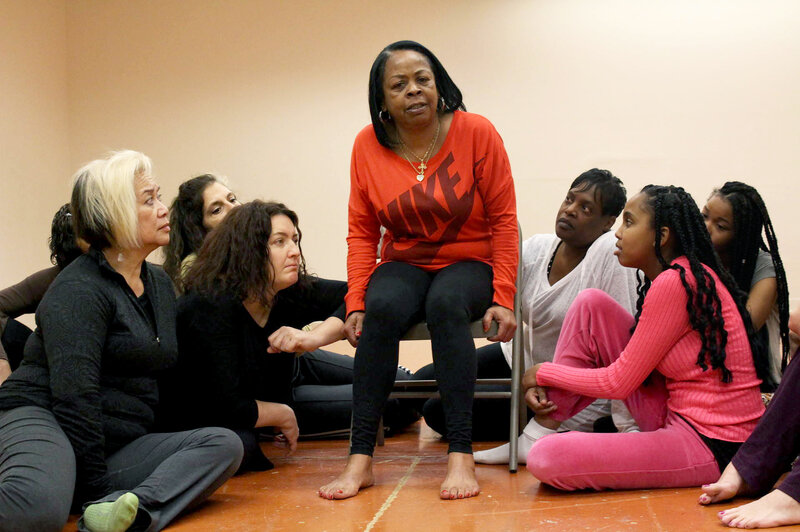
Today she talks openly about that experience onstage, as part of a theater project aimed at inspiring others. The quote about learning to forgive herself is part of an autobiographical monologue Steptoe wrote and performs in a San Francisco theater production of The Medea Project: Theater for Incarcerated Women/HIV Circle.

It was Steptoe's physician, Dr. Edward Machtinger, who first told her about the project. Established by playwright and director Rhodessa Jones in 2008 as an extension of an improvisational production that draws on and explores the experiences of jailed women, the "HIV Circle" focuses on the experiences of women living with the AIDS virus.

The therapeutic aspect of the performance workshop is called peer empowerment, explains Machtinger, an internist and director of the Women's HIV Program at the University of California, San Francisco. The strength and healing Steptoe and others have gained from processing and sharing their stories this way is profound, he says — and can serve as a model for helping other patients deal with psychological trauma.

Cassandra Steptoe in the home she shares with her 8-year-old granddaughter in San Francisco. Steptoe credits The Medea Project with helping her overcome the trauma of childhood abuse.
Farida Jhabvala Romero/KQED
Medications 'Not Enough'

With the theater group, Steptoe began writing about her experiences and sharing them with a small group of women, some of whom had gone through similar struggles of addiction and histories of incarceration. She says the process of uncovering her past and making sense of her experiences in a cathartic, supportive environment helped end her feelings of isolation.

"Having these women that really love you and support you ... it feels good to have some real friends, 'cause I never had that before," Steptoe says. "We're all sharing something together ... we all get something out of everybody's story."

The program's power to heal is not just anecdotal. Machtinger has preliminary evidence of the Medea Project's life-changing benefits.

Some of the women he studied went through an extraordinary transformation, he says. Many who had barely disclosed their HIV status to anyone when they began, became activists and leaders in their communities — helping to reduce the stigma of HIV, while pursuing personal goals and leading productive lives.

"For them to develop what they described as a "sisterhood" was the most important and most profound type of healing that I ever witnessed," Machtinger says.

He first became interested in the approach, he says, after noticing that "far too many" of his patients who got successful antiretroviral treatment, were still dying early deaths for reasons that had "nothing to do with HIV" — murder, suicide or drug overdose.

"They could have their HIV under control, (but) their lives were not getting better," Machtinger says. "That was because their core issue — a life of trauma and the impacts of depression, isolation and shame — wasn't being effectively addressed. And to us, that's not acceptable."

Machtinger is part of an advisory group helping to develop new guidelines for trauma-informed primary care for the federal Substance Abuse and Mental Health Services Administration, and says the lessons of the theater project are already having an impact nationally.

"The core elements of the Medea Project are really lessons for other interventions to help people overcome trauma and other stigmatizing situations and conditions," he says, noting that childhood and adult trauma have been linked to a variety of illnesses, such as hepatitis C, heart disease and diabetes. The SAMHSA guidelines are likely to be finalized and published later this year, he says.

Trauma at the Root of HIV Diagnosis

Steptoe, who was once addicted to heroin and cocaine, says she became infected with HIV through unprotected sex or sharing needles. She worked as a prostitute in her late teens, 20s and 30s, and was in abusive relationships — once getting beat up so badly, she says, that she spent three months recovering at a hospital.

She now realizes that enduring sexual abuse repeatedly as a child and teen put her on the path that eventually resulted in HIV infection.

"Sexual abuse came from family," she says. "And I guess I was kind of covering all that up by choosing the drugs. It kind of took me out there into the street, looking for love in the wrong places because I didn't have it at home. I started shooting drugs, and that led into prostitution and to prison."

Recent studies show that HIV-positive women suffer disproportionately from high rates of trauma and post-traumatic stress disorder. The high rates of trauma also lead to increased risk of further spreading HIV, scientists say.

Transforming Her Life

Today Steptoe is busy and full of energy. She takes antiretroviral medication every morning, eats a healthy diet and takes Zumba fitness classes at a local gym. The mother of three and grandmother of nine also has full custody of her 8-year-old granddaughter, who frequently accompanies her to rehearsals.

"She teaches me how to love, and she gives me patience," says Steptoe.

Rhodessa Jones, who mounted the first Medea production more than two decades ago, says Steptoe has flourished since joining the organization, becoming a leader and inspiration to other women.

"She's so powerful, positive and forceful." says Jones. "Theater has really been expressive therapy for her. It gives her a space to speak her truth."

Source by : http://www.npr.org/sections/health-shots/2016/04/06/473008653/theater-helps-this-hiv-positive-grandmother-transform-lives

White House Says It Will Cut Ebola Funding To Address Zika


Top officials with the Obama administration said Wednesday that they'll redirect $589 million toward the Zika virus response. Most of that money was to be used to deal with Ebola virus.

Almost two months ago, the Obama administration requested $1.9 billion from Congress to respond to the Zika threat.

"But Congress has yet to act," Shaun Donovan, director of the Office of Management and Budget, said in a news conference. "In the absence of congressional action, we must scale up Zika preparedness and response activities right now."

Over 600 people with Zika, including 64 pregnant women, have been reported in U.S. states and territories. In most cases, people contracted the virus while traveling.

But Sylvia Burwell, secretary of the U.S. Department of Health and Human Services, says she expects to see local Zika virus transmission in the continental U.S. in coming months.

The redirected funds will go to mosquito control and surveillance; education about how to prevent transmission; supporting states and territories in their own Zika virus responses; and developing vaccines and better diagnostic tests.

Burwell and Donovan reiterated that the administration's earlier request for supplemental funding from Congress remains in place. And, they say, the administration will also ask for funds to replenish the amount currently being moved from the Ebola response to the Zika response.

Without the full supplemental funding, Burwell says, a number of crucial activities would be impacted.

"Mosquito control and surveillance might need to be delayed or stopped. Our ability to move to a subsequent phase of vaccine development could be jeopardized. And without more funding, the development of faster and more accurate diagnostics could be impaired," says Burwell.

One reason for the haste is that public health officials want to get mosquito control and surveillance underway before the peak summer mosquito season in the U.S., and before the rainy season in Central America and the Caribbean.

Most of the redirected funding — $510 million — is coming from the Ebola response. That's concerning, because while the public panic over Ebola has faded, the virus continues to flare up.

"We face two real global health challenges — Ebola and Zika — and we don't have an option to set one aside in the name of the other," says Burwell.

Last week, a woman in Liberia died of Ebola. And though Guinea was declared Ebola-free in December, last month World Health Organization officials put more than 1,000 people under medical watch because they may have come into contact with eight people who contracted Ebola.

It's those kind of activities that could be shortchanged by diverting funds away from Ebola and toward Zika, administration officials say.

Source by : http://www.npr.org/sections/health-shots/2016/04/06/473226313/white-house-says-it-will-cut-ebola-funding-in-order-to-address-zika

California's Dental Safety Net Fails Most Clients, Report Says


California's dental health system for the poor is dysfunctional, according to a report by a bipartisan oversight commission.

A more vivid description comes from Pedro Nava, the commission's chairman: "In California we have kids' teeth rotting out of their heads," he says. "That's utterly inexcusable."

The program, Denti-Cal, ranks among state government's greatest deficiencies, according to the report released last week by the Little Hoover Commission, an independent oversight agency. One third of the state's population is eligible to use Denti-Cal for subsidized dental care, including more than half of the state's children.

The department that runs Denti-Cal draws only part of the blame, according to the report. The Legislature, the governor's office, and the political culture of California share culpability for decades of neglect and strategic misdirection.

California faces an "epidemic of tooth disease in which toddlers by the thousands have mouthfuls of cavities, children and adults are plagued with toothaches, whole counties have no Denti-Cal providers and families don't understand basic preventative dental care," the report said.

Meanwhile, Denti-Cal has "thoroughly alienated the dental profession" with tangles of red tape and "reimbursement rates among the nation's lowest," the report said.

The program is run by the state Department of Health Care Services, which oversees Medi-Cal, California's version of Medicaid. The department released a lengthy prepared response to questions from the commission, which includes this statement:

"DHCS is strongly committed to providing access to quality dental care for our millions of Medi-Cal members, and Director Jennifer Kent has publicly stated that improving the Denti-Cal program is one of her top priorities."

According to the department, about 44 percent of the children who are eligible to receive dental services — 2.5 million of them — received an annual dental visit in fiscal 2013-14, and about 23 percent or 1.5 million of eligible adults saw a dentist then.

Lack of funding is one reason the program has failed to meet the needs of Californians, the report finds. That includes appropriations from the Legislature and low reimbursement rates. The state's reimbursement rates for the 10 procedures most frequently authorized for payment in 2012 averaged $21.60 — about 35 percent of the national average for those same procedures in 2011.

Many dentists say they lose money on state-funded patients, so caring for them becomes a form of charity work.

John Blake gave up a private dental practice in Long Beach to run the Children's Dental Health Clinic in Long Beach, where about 85 percent of patients are on Denti-Cal.

Blake says he just wants to break even — the business is a nonprofit — and 25 percent of his overhead is paid for through donations and fundraising events. It's impossible to cover costs solely with the payments from the state, he says.

"A lot of my colleagues used to take Denti-Cal, but it's not just the low rates, it's that the hassle of the system is so much worse than reimbursement. The hassle factor just got to be too much," Blake says. "They just gave up."

The Little Hoover Commission report more formally addressed the hassle factor, noting that copious pre-authorizations for basic procedures are a major hassle, never mind a clunky billing system, much of it still paper-based, and a 22-page application form just to participate in the program.

Dentist Camille Nishikawa, in Los Angeles, doesn't have those problems. She runs the QueensCare mobile dental clinic in partnership with USC Medical Center, which travels to schools in the poorest parts of LA to take care of children's teeth. The mobile dental vans are funded by grants; the program doesn't accept any money from patients or from Denti-Cal.

Many poor people who are eligible for the program's benefits don't even know about it, Nishikawa says. "A lot of the community isn't aware of what they're entitled to," she says. "And if they do, they don't know where to go to find a dentist."

Ruth Sandoval is one of those low-income people, a mostly Spanish-speaking mother of two in Los Angeles. She said she had no idea she and her two children could even get dental care as part of the Medi-Cal program. "It has been hard to find a dentist; it's very hard to find one," Sandoval said.

She went to a clinic in Los Angeles for a different health problem and discovered a dentist on staff. She's grateful for that, she said, because she wouldn't have a dentist otherwise. "It's so important to us; we were so happy to find her there," Sandoval said.

Most low-income Californians aren't that lucky. Fewer than half of the children eligible for dental coverage actually see a dentist, says Jenny Kattlove of the Santa Monica-based Children's Partnership advocacy group.

People think of dental care as just getting a teeth cleaning, not as a health issue.

"Look, when children don't get the oral health care they need, they suffer in pain," Kattlove says. "Untreated dental problems actually can lead to death; I don't know what's more health-related than that."

Nava says access problems may only get worse as more Californians are added to the Medi-Cal rolls. In mid-May, an estimated 170,000 children in the U.S. illegally will become eligible for full Medi-Cal benefits, including dental care, and Nava worries that they won't get it.

David Gorn is Capitol correspondent for California Healthline, a project of Kaiser Health News. This story was produced as part of a partnership between Kaiser Health News and NPR.

Source by : http://www.npr.org/sections/health-shots/2016/04/06/473122240/californias-dental-safety-net-fails-most-clients-report-says